
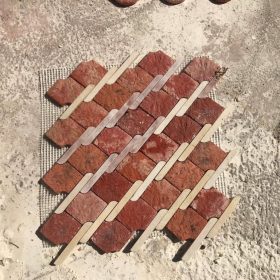
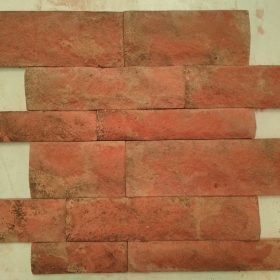
As Greeng Innovation, we would like to give information about our material, which we developed as a result of long R&D studies, consisting of modified 100% clay and natural pozzolanes and which we call SUPER CERAMIC. During our R & D studies, standard clay was modified without changing its nature and natural pozzolanes were added to its structure in small proportions. In this way, by providing appropriate rates and conditions, the clay hardens and gets set without the need for baking, just like cement.
Thus, costs such as cooking, long holding times and workmanship, which make up almost 50% of the cost in ceramic production, are eliminated. CARBON FOOTPRINT of the products produced by this method has been reduced in such extraordinary rates. Our experience in the ceramics industry for many years and our long research have enabled us to achieve this result. Our material can be applied without cooking, that is, using 0 energy, in the desired hardness, in the desired waterproof properties, in color or in its natural color, as in ceramics. Again, as a result of these studies, detailed studies were carried out on the forms of application. As a result of these studies, we made the traditional ceramic production techniques usable in the production stages of the product.
In other words, while manufacturing with our material, casting, tossing, impeller and press techniques can be used as in traditional ceramics. Likewise, after casting molds, post-mold corrections, additions and removals can be made on the product.
Research and Development processes of our products, whose characteristics are described below, have been completed and the stage of production has been reached.
Standard clay plates in the natural building materials market have many negative features as well as the positive features they contain. To date, since there are no methods or innovations to improve these negative features, these negative features have been ignored, and the positive features they have come to the fore. If we list
the negative features mentioned;
1 – Hypersensitivity tomoisture and water,
2 – It also needs manylaborious and expensive applications to improve this feature,
3 – The desired hardnesscannot be achieved,
4 – Using excessive thicknessand excess material to obtain physical strength,
5 – Fragility and mplementation difficulties,
6 – Using synthetic polymersas a necessity to increase durability,
7 – Labor is expensive and difficult.
Our clay plates have all the positive features of standard clay plates in the natural building materials market, such as breathing, balancing the humidity in the environment, 100% natural material, non-toxic, 100% recycling.
Thanks to our rigorous R&D studies, our clay plates are free from all the negative features of standard clay plates in the natural building materials market. During our R & D studies, standard clay has been modified without changing its nature in any way. Natural pozzolanes, which will change the molecular structure of clay in small proportions, have been added to its structure. By providing appropriate proportions and conditions, the clay hardens and sets like cooked ceramics, without the need for COOKING, just like cement. In this way, the following extraordinary features were obtained.
General features of our SUPER CERAMIC clay plates:
1 – It is absolutely not affected by moisture and water,
2 – Thanks to this feature,it does not require many troublesome and expensive post-application procedures,
3 – It can be produced in the desired hardness,
4 – To obtain physical strength, it is not necessary to use excessive thickness and excess material,
5 – There is no fragility and implementation difficulties,
6 – Synthetic polymers or additives are not necessarily used to increase their durability,
7 – Workmanship is not expensive and difficult,
8 – Considering the positive features it contains, it can easily be said that the carbon footprint is almost zero.
1 – Surface appearance can be given in any color and texture such as stone, marble, geometric patterns and designed surfaces.
2 – Does not require plaster, paint, coating. If desired, colors can be made more vivid with a simple and natural application.
3 – The front surface can be produced as hard and non-porous, the back surface can be porous. Buildings where these plates are applied do not require heat – sound and moisture nsulation.
4 – Ph 7 – 7.5 ph is neutral (can be made acidic or basic if desired).
5 – It is not affected by the worst weather conditions, it is endless.
6 – Any kind of construction,carrier, pipe etc. can be placed in it during production.
8 – Its hardness,flexibility, moisture and vapor permeability can be adjusted as desired.
9 – Screw mounting can beeasily made on the wall and construction. screw holes can be simply adapted to the texture.
10 – Stone, marble or designed surfaces can be used as much thinner (5-6 mm), hard and light wall covering in the form of large and modular panels.
Another modified type of clay material we developed as Greeng Innovation was developed as natural clay plaster. Standard clay plasters in the natural building materials market have many negative properties as well as the positive properties they contain.To date, the absence of any method or innovation to improve these negative features has led to neglecting these negative features and highlighting the positive features it contains.
If we list these negative features;
1 – Hypersensitivity to moisture and water,
2 – It also needs many laborious and expensive applications to improve this feature,
3 – The desired hardness cannot be achieved,
4 – Using excessive thickness and excess material to obtain physical strength,
6 – Using mesh, structure reinforcers, synthetic polymers or lime as a necessity to increase durability,
The clay plaster we have developed has all the positive features of standard clay plasters in the natural building materials market, such as breathing, balancing the moisture in the environment, 100% natural material, no toxic substances, and 100% recycling.
Thanks to our meticulous R&D studies, our clay plasters are free from all the negative features ofstandard clay plasters in the natural building materials market. During our R & D studies, standard clay has been modified without changing its nature in any way. Natural pozzolanes that will change the molecular structure of clay in small proportions and properties required by the plaster technique were added to its structure. By providing appropriate proportions and conditions, the clay hardens and sets like cooked ceramics, without the need for COOKING, just likecement. In this way, the following extraordinary features were obtained.
1 – It is absolutely not affected by moisture and water,
2 – Thanks to this feature,there is no need for extra laborious and expensive extra applications,
3 – It can be prepared and applied in the desired hardness,
4 – To obtain physical strength, it is not necessary to use excessive thickness and excess material,
5 – There is no excessive volume contraction and application difficulties. The size change after drying is on average 02%
6 – Synthetic polymers or additives are not necessarily used to increase their durability,
7 – Its workmanship is the same as standard plaster applications,
8 – Considering the positive features it contains, it can easily be said that the carbon footprint is almost
zero.
9 – It can be used easily by adjusting its consistency with water.
10 – Application with anaverage thickness of 3 mm protects the standard clay plates, which are easily affected by the atmospheric conditions on the market, from all kinds of atmospheric conditions.
11 – The undecided tissue underneath is protected forever from water and moisture without losing its properties thanks to this plaster.
12 – With its natural structure consisting of clay, it creates a molecular bond with the underlying raw clay texture.
13-It can be used in solid color by giving surface texture with other granulated natural materials (quartz- marble- basalt – granite – ground baked ceramic – washed sand etc.).
14 – Any desired shape and texture can be given to the surface with a textured roller.
15 – It does not require special skills or training. It has the same features as conventional plaster applications.
16 – It can be applied industrially by spraying method with a very simple method in large-scale
applications.
17 – When the walls formed with bales of straw, the walls formed with marshy perch, the walls formed with raw mudbrick and the walls formed with similar natural materials are plastered with our material, all kinds of negative properties they have will disappear to
not appear again. These walls are protected forever from insect damages and nests, degradation caused by moisture, fungi, rot, oxidation and molecular degradation from oxygen in the air. Since they are insulated from external effects thanks to our material, only the positive features in their structure come to the fore.
18 – With a technique that can be applied with a very simple technique, screwing and doweling operations that can carry heavy materials on the walls made of this type of natural material become possible.
The value of 19 – Ph is neutral in the range of 7 – 7.5 and it is the most suitable for nature. If necessary, it can be arranged acidically or basicly.
20 – There is no need for any process, effort or time frame to convert our material. Therefore, the concept of recycling is not valid for our product. Since there is no synthetic, toxic or unnatural substance in its structure, it turns into a natural part when it
turns into waste.
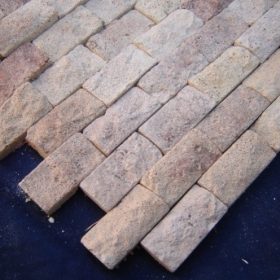
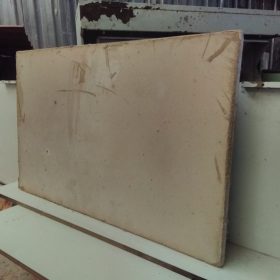
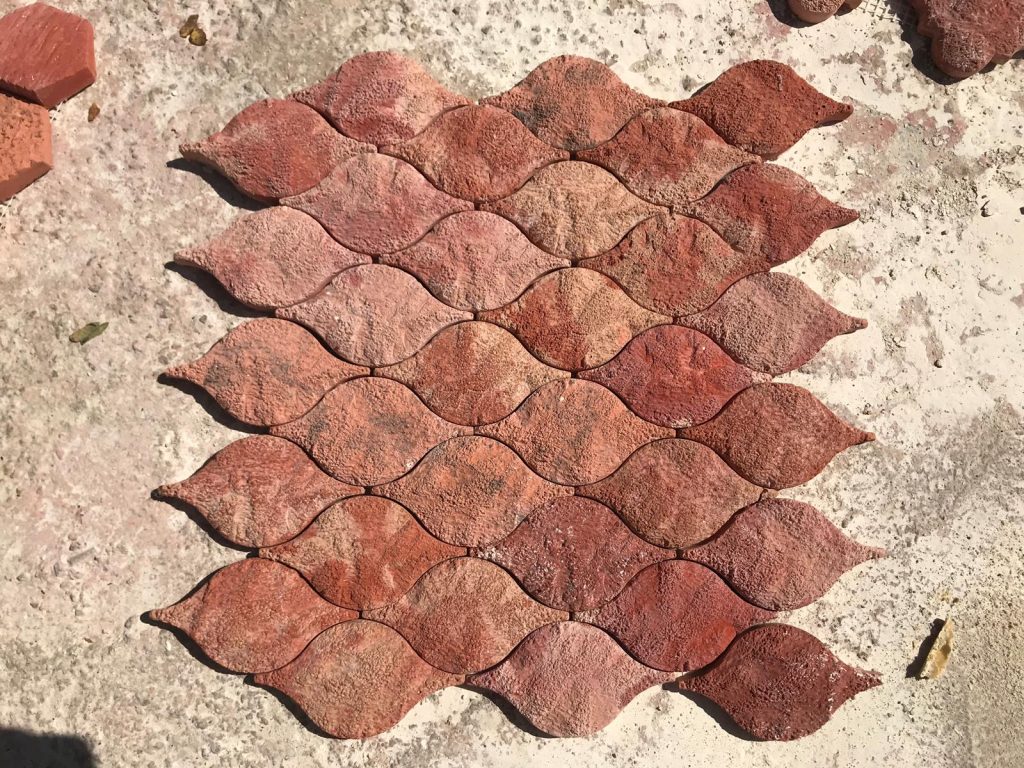
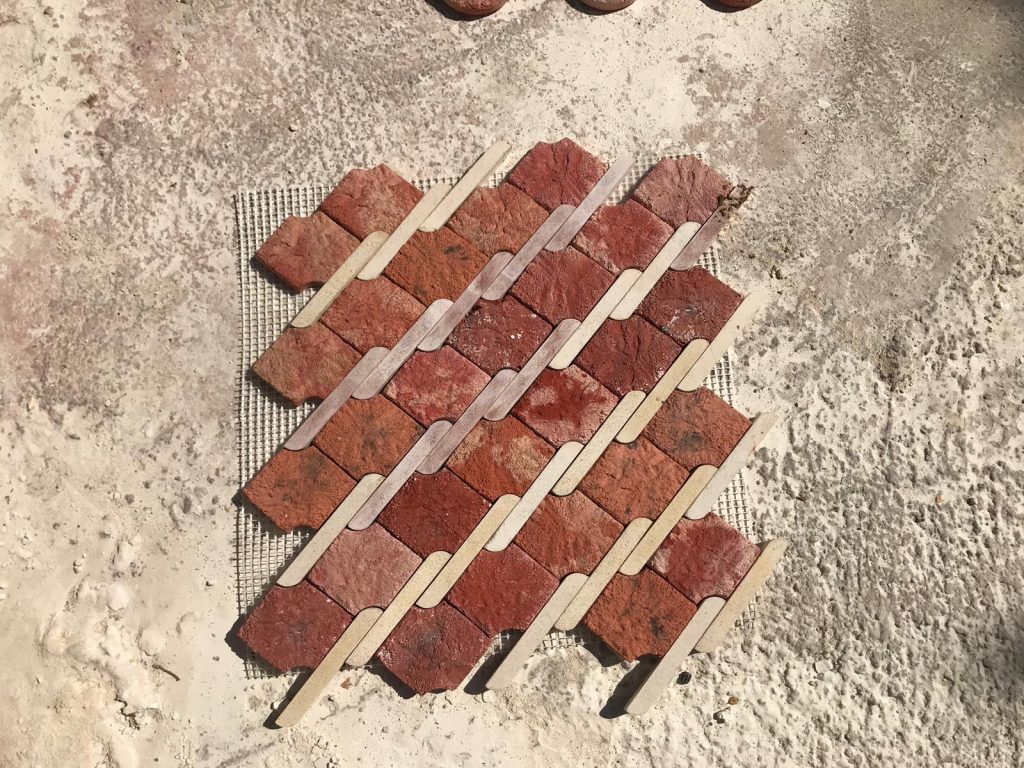
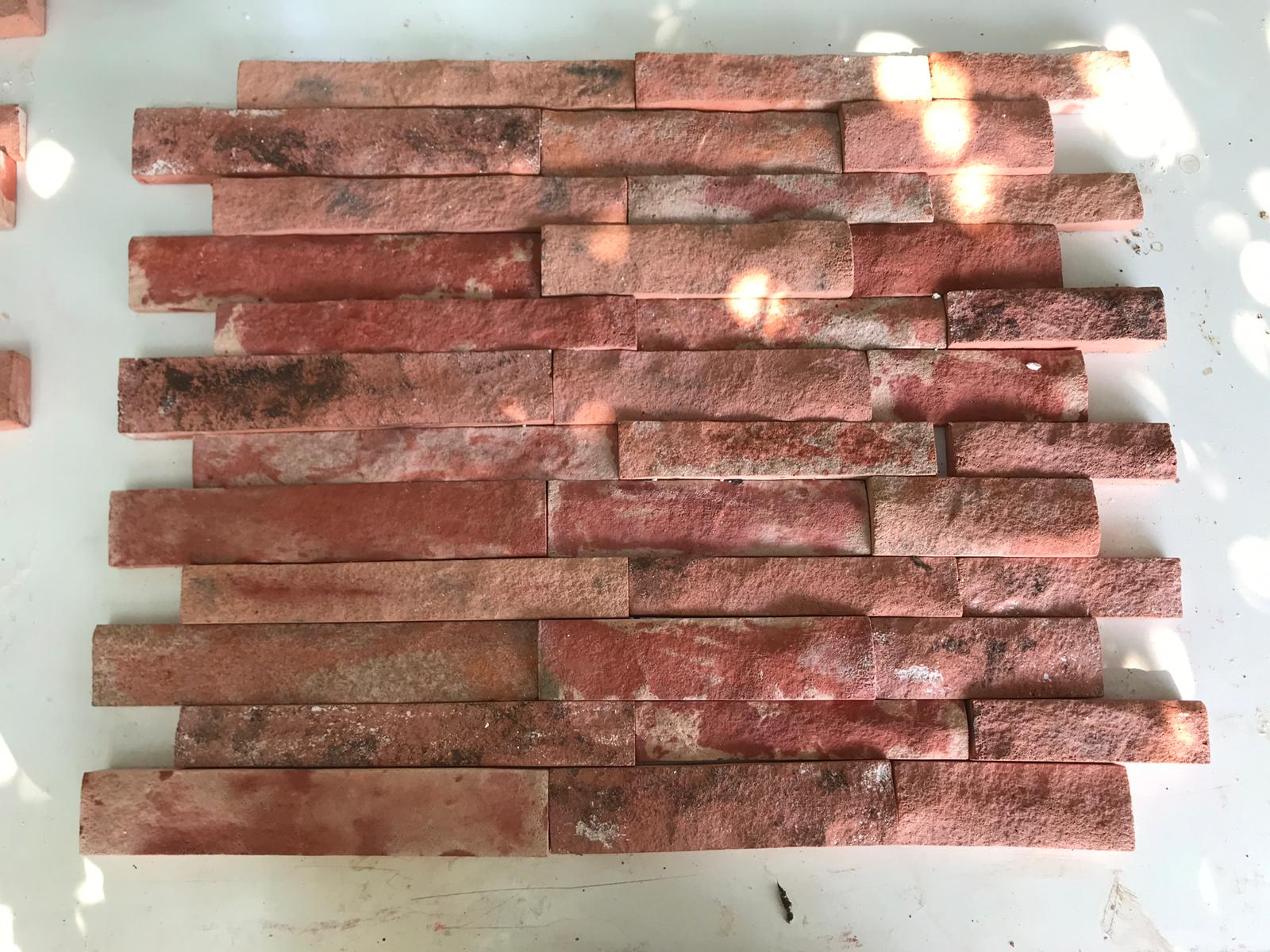
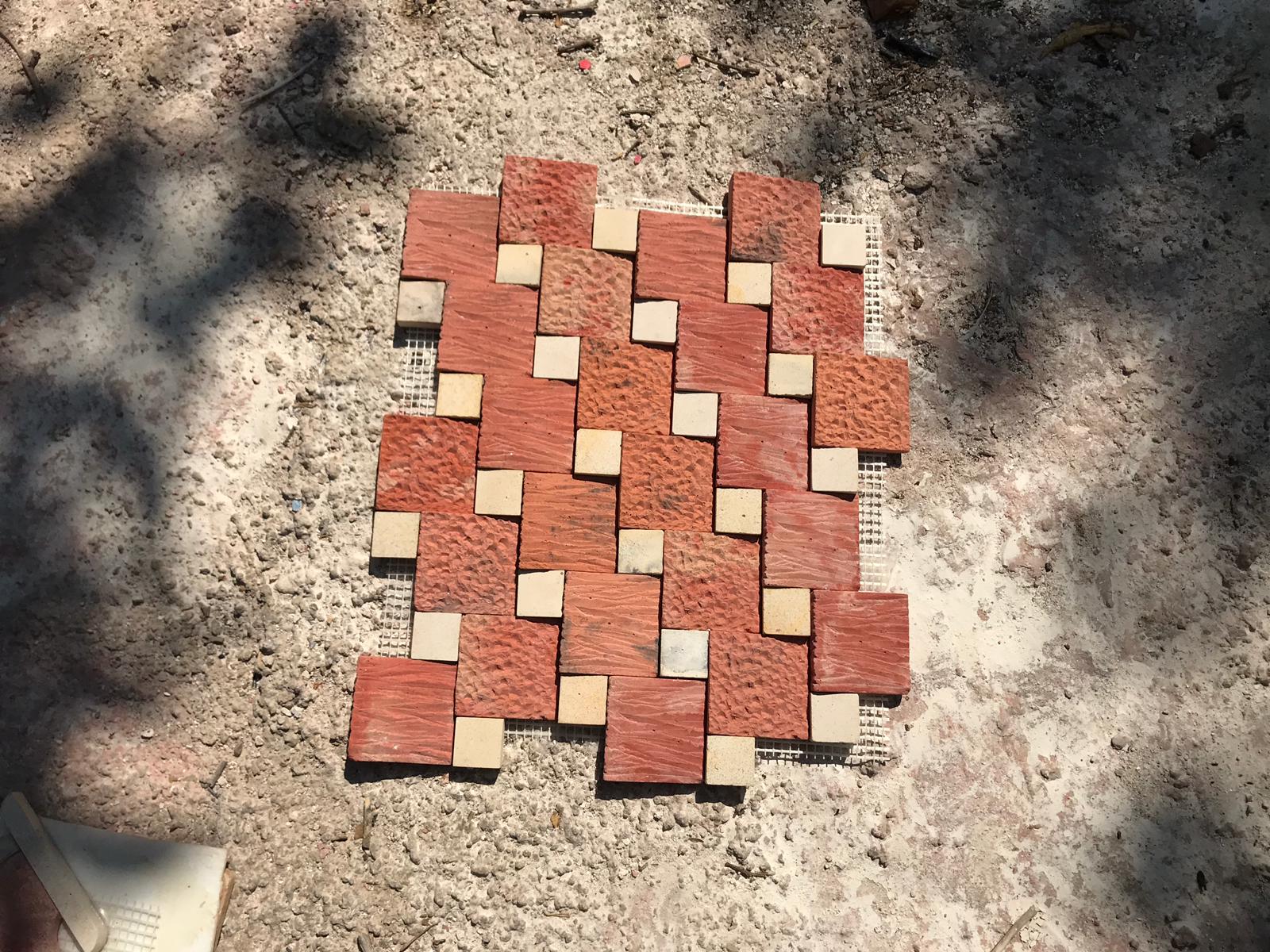
Our material explained in detail above has also produced very successful results in the production of wall covering materials used in indoor and outdoor spaces. The produced materials have ceramic properties. The fact that our material does not need cooking allows it to add some extra features during production. Wide color options, the ability to use different materials at the same time, production speeds are examples.
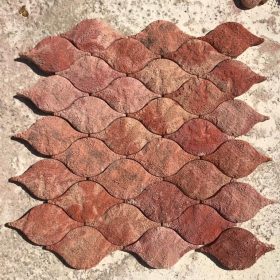
The wall covering materials you see in the images below are produced using 0 heat, that is, without cooking. Besides the elegance and endless design feature, the carbon footprint it leaves on nature is almost 0.
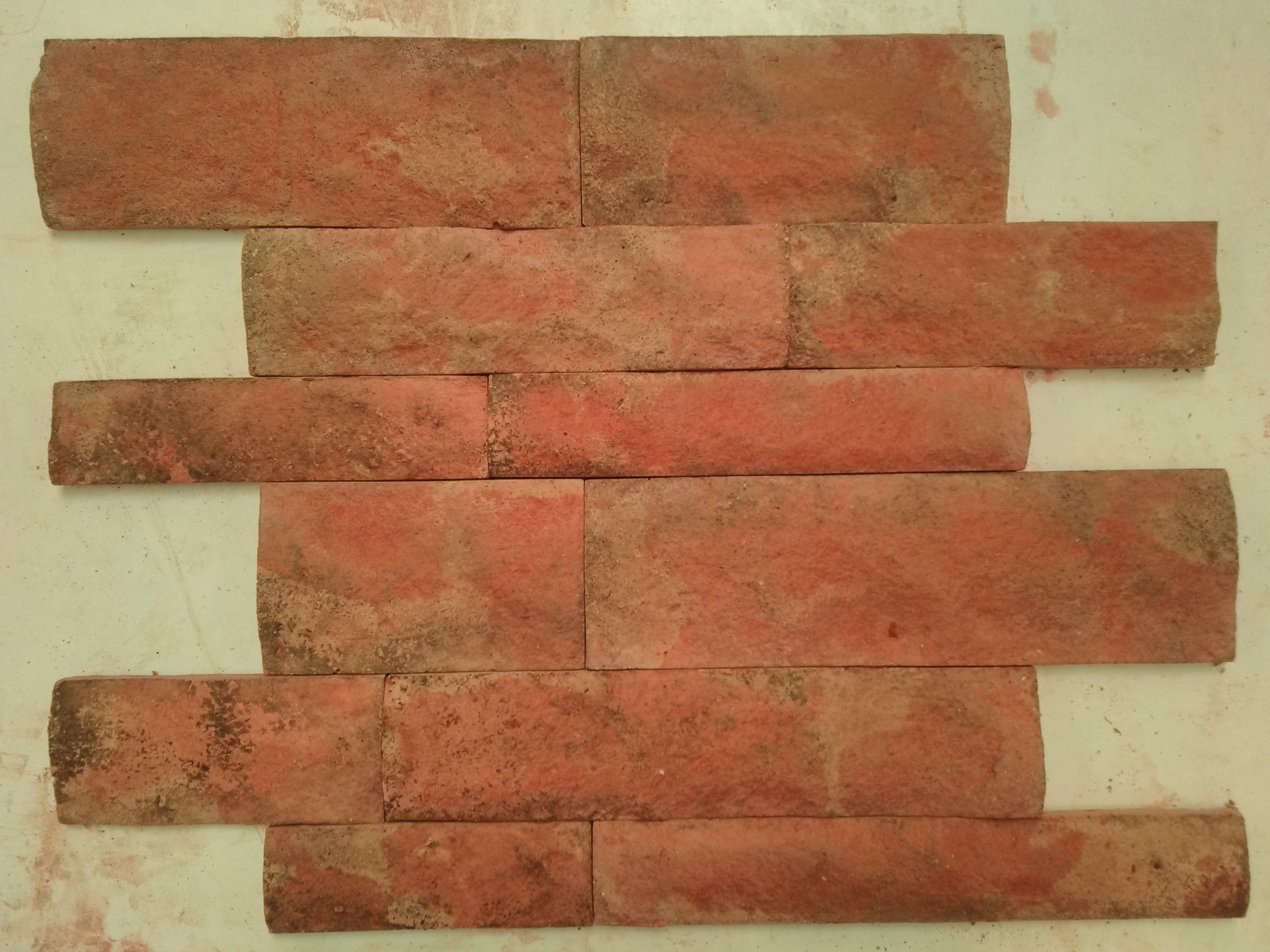
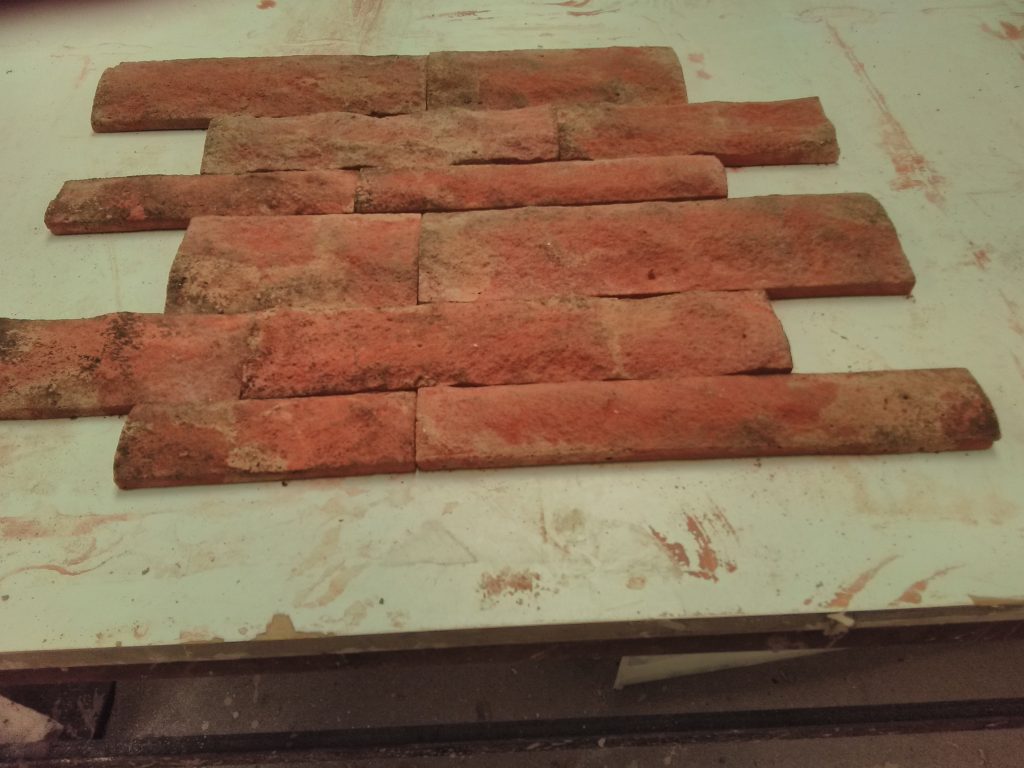
The wide usage possibilities of the material made it possible to make modular wall covering materials, which you can see in the images below, for the first time. It is not possible to capture the wonderful decorative images that arise with other materials.
The baking brought by the ceramic slurry using almost every area in which the ceramic dough is used removes the production steps from the high cost (such as re-firing the ceramic at each production stage), such as glazing and the like. As a filler material, a significant saving in costs is achieved by using micronized quartz mine waste, which is called as cyclone dust in the quartz mines and which is not economical value.
It can be glazed as if it is in the same ceramics as epoxy or water based special varnishes which are highly resistant to the climatic conditions and which are highly resistant to the climatic conditions and which do not need to be cooked, molded, block material, but hardly do non mandatory to cook a new product method of has been unveiled. This is a great advantage with our energy saving and workmanship in the production technique and the minimum need for machine park.
The greatest cost in ceramic production is the process of repeatedly sifting the product, waiting for long periods for drying, requiring large spaces for this work, leaving the product to be dried again after the product is baked, colored and glazed again and then reheated in the ovens. It is seen how important our invention is when every baking period (only cooking time) is 1 day, it is considered to require heat energy in high quantities and other labor is taken into consideration.
Another advantage of our invention is that annihilated the furnace system, which is one of the greatest costs from the middle. Ceramic furnaces are extremely complex and expensive to operate and maintain.
Although there is non mandatory for cooking in all the mentioned production methods, the induration akes place in the atmospheric environment and takes place between 2 hours and 1 day depending on the season and temperature. In the winter months when the temperature is low, it is advisable to shorten the curing time to 30 – 40C.
With small changes in the formulation, the material can be transformed into the same ceramic as casting sludge, pressed sludge, pottery song clapper etc. for hand shaping.
Extremely atmospheric durability can be used by removing some formulas from the formulations and replacing them with the same amount of quartz powder without cyclone output in order to further reduce the cost of production such as souvenirs, indoor decorating materials, construction industry etc. that do; this mixture allows for highly detailed work a very hard and extremely durable material.

Our project is supported by the Small and Medium Enterprises Development and Support Administration KOSGEB T.C. (www.kosgeb.gov.tr)
2142 st. No: 56-58, Iskele Dist. Urla - Izmir
33 Mountcastle Drive North, Edinburgh, EH8 7SL